|
Size: 2188
Comment:
|
Size: 2248
Comment:
|
| Deletions are marked like this. | Additions are marked like this. |
| Line 33: | Line 33: |
| Click the '''Next''' button after allocating memory. |
|
| Line 34: | Line 36: |
Windows VM Install & Setup
Download and install the VirtualBox application for Windows from VirtualBox
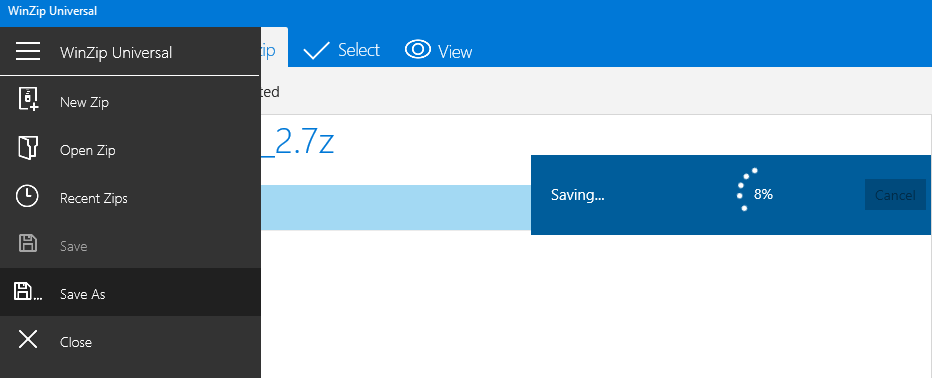
Download and install an unzip program for 7 zip files (.7z) from the windows app store if you do not already have one. The Winzip Universal application is one that will work.
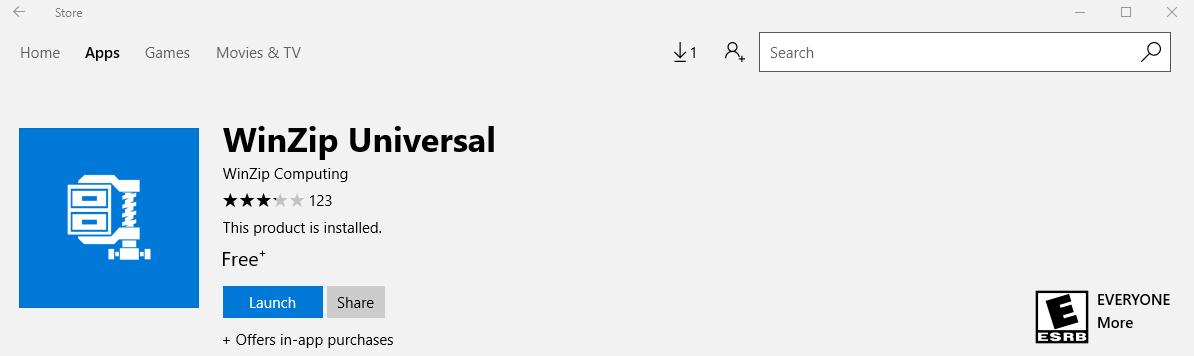
Download the virtual disk image of the VM FStutorial_clone_2.7z image. Please note the compressed size of this file is ~30G and the uncompressed file size will be ~60G. The assumption below is there is enough free disk space in your Downloads folder to accommodate the compressed file.
Open the disk image file with the WinZip application.
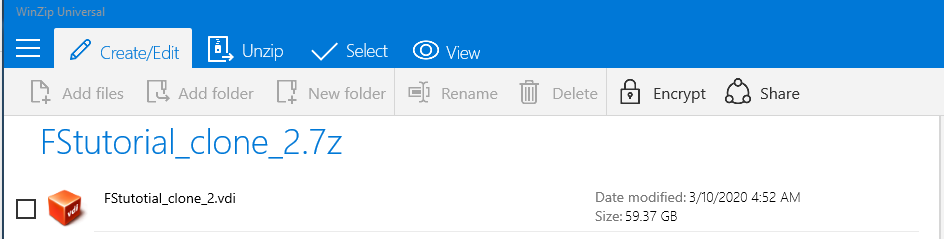
For this application you select the Unzip tab and check the box next to the name of the image to unzip it.
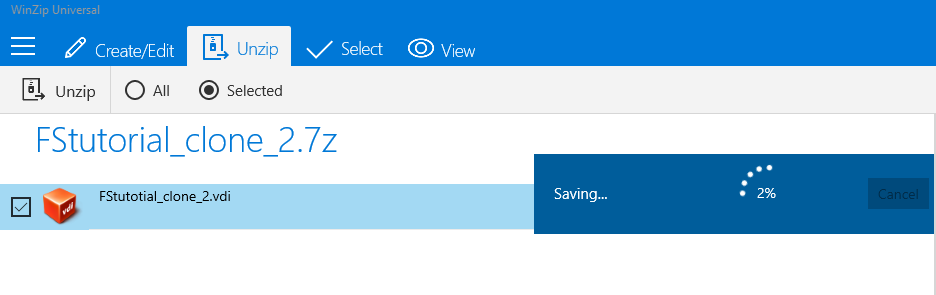
Then you save the uncompressed disk image file FStutorial_clone_2.vdi to some location, i.e., where you have ~60G free space.
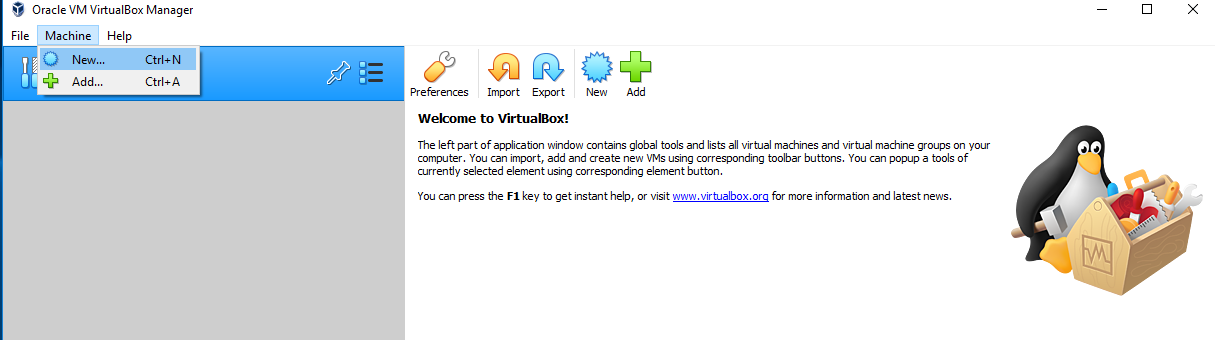
Open the VirtualBox application and select Machine -> New from the pulldown menu.
Fill in the parameters to name this new machine. Here it is named Ubuntu_FS_600_700b1_TutorialData but you can name it as you like. Browse and/or set the path to the uncompressed image file FStutorial_clone_2.vdi.
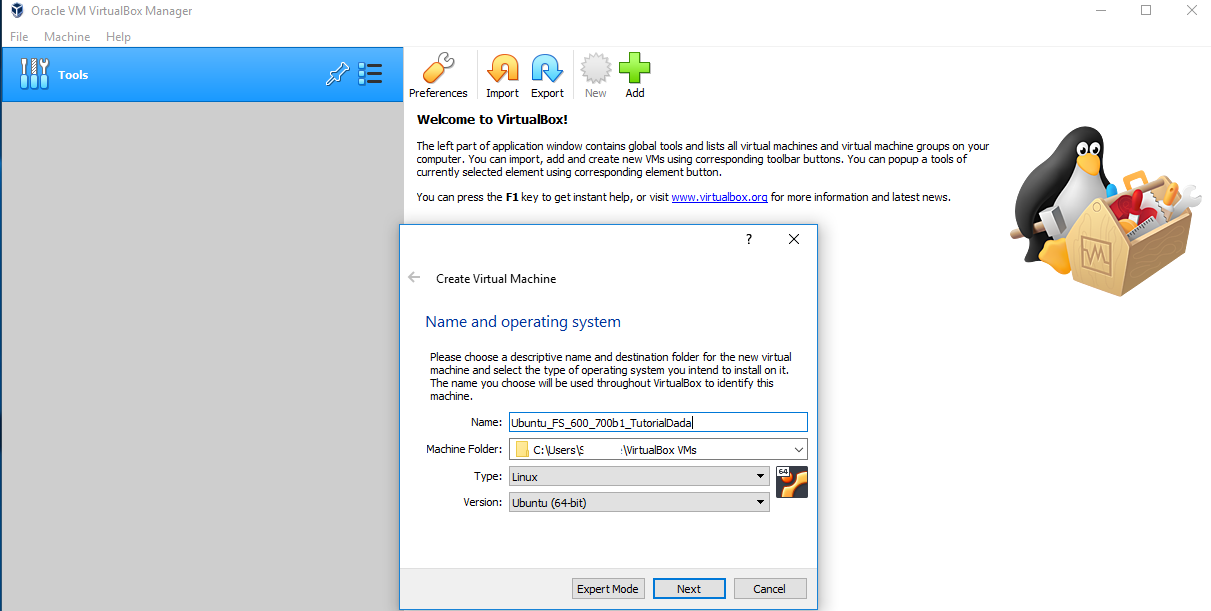
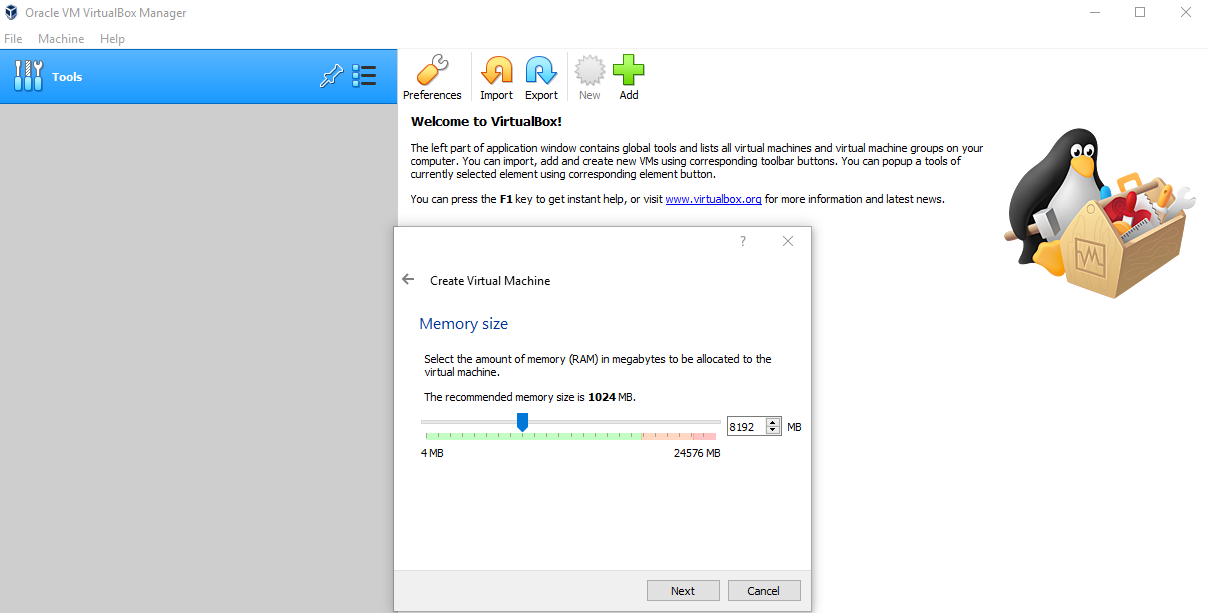
Then click the Next button to continue to allocating memory to the VM. While the VM can run with small amounts of RAM, speed and performance will increase with larger amounts of RAM. However, even if you have more than 16G of RAM on your host machine, with more than 8G free to allocate to the VM, the recommendation is to start with no more than 8G allocated to the VM. This is because on some hosts, the VM may fail to initially boot when allocated more than 8G of RAM. If you do not have 8G of RAM free, then you can try running it with smaller amounts.
Click the Next button after allocating memory.